
Vibrio Risk

Vibrio Risk
SOLUTIONS
Why is Vibrio a problem in shrimp farming?
Vibrio is a natural bacterium in ponds, but under unstable conditions it can rapidly multiply and become pathogenic, leading to disease outbreaks, poor growth, and higher mortality.
FanYu Bio uses biological solutions to restore pond balance naturally.
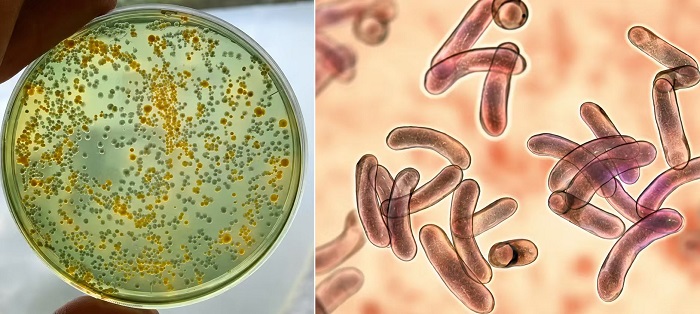
Why Does Vibrio Become a Problem?
- Excess organic waste accumulation
- Poor pond bottom conditions
- High ammonia & nitrite levels
- Low or unstable dissolved oxygen
- High stocking density
- Sudden weather changes
How Can You Identify It?
- Reduced feeding response
- Red body or enteritis symptoms
- Hepatopancreas abnormalities
- Gill damage or discoloration
- Slow growth
- Increased mortality rate
How Can Vibrio Be Managed?
-
1. Biological Vibrio Control
Use beneficial predatory bacteria to suppress harmful Vibrio populations while maintaining microbial balance.
-
2. Improve Pond Environment
Reduce organic sludge and improve pond bottom conditions to eliminate Vibrio growth habitat.
-
3. Restore Microbial Balance
Rebuild beneficial bacteria communities to stabilize water ecology and reduce pathogen dominance.
-
4. Strengthen Shrimp Resistance
Improve stress tolerance during environmental changes to reduce secondary infection risk.
Recommended Products
Biological products help improve pond ecology, reduce toxic nitrogen, and stabilize water quality.
- Vibrio Clean
Biological control of harmful Vibrio populations. - Lodophor Disinfectant
Supports pond sanitation during high bacterial pressure periods. - Compound Bacillus + Super Concentrated EM Bacteria
Restores beneficial microbial balance and improves water stability. - Pond Bottom Conditioner
Reduces sludge and improves bottom oxygen conditions. - High-Stability VC
Enhances stress resistance during environmental fluctuations.
Looking for
a Sustainable Vibrio Control Solution?
Protect shrimp health through biological control and long-term pond ecosystem stability.